
How Often Should You Service Your Car? | A Simple Guide

- How Often Should You Service Your Car?
- Different Types of Car Services
- Interim Car Service
- Full Car Service
- Major Car Service
- What Are the Benefits of Car Service?
- Signs Your Car May Need Servicing Sooner
- How to Track and Manage Your Car’s Service Schedule
- How Much Does a Car Service Cost?
- Frequently Asked Questions
- Does MOT count as a service?
- How often should I service a brand-new car?
- How often do electric cars need to be serviced?
- How long does a service take?
- What if I don’t service on time?
- Conclusion: How Often Should You Service Your Car?
Knowing how often should you service your car is crucial to keep it safe and reliable. Regular servicing helps prevent breakdowns, keeps running costs down, and protects your car’s value.
Most cars need a full service at least once a year or every 12,000 miles, whichever comes first. Some may need an interim service in between, depending on mileage and driving conditions.
In this guide, you’ll learn the recommended service intervals, the different types of services, and how to spot problems early.
Let’s get started!
How Often Should You Service Your Car?
Most cars need a service every 12 months or 12,000 miles. This is the standard advice from many UK manufacturers.
However, the exact schedule depends on your car’s make, model, and age. You should always check your owner’s manual for the specific intervals.
If you drive long distances or in harsh conditions, you may need more frequent servicing. City driving with lots of stop-start journeys can also increase wear. Also, you should keep in mind that there are different types of servicing you need after different intervals.
Most importantly, keeping to the recommended service schedule helps maintain your car’s value and reliability. It also reduces the risk of costly repairs later.
Different Types of Car Services
There are three main types of car services in the UK, and it depends on mileage, how long you’ve driven, and the level of checks. Choosing the right service helps you keep your car safe and efficient.
Interim Car Service
An interim car service is usually done every 6 months or 6,000 miles. However, the mileage figures can vary depending on the manufacturer. It’s the quickest type of service, perfect if you want a fast check-up.
If everything looks fine, you could be back on the road within an hour. But if the mechanic finds an issue that needs fixing straight away, it could take extra time.
What’s Included in an Interim Service?
This service focuses on basic checks to keep your car in good shape between full services. It usually includes:
- Oil and oil filter change
- Brake, steering, and clutch checks
- Tyre tread inspection
- Lights, wipers, and fluid top-ups
- Visual inspection under the bonnet
- Safety checks like seatbelts and the horn
Cut the Cost of Constant Repairs
UK drivers spend nearly £500 a year on servicing alone – and that’s before surprise breakdowns. If maintenance costs are piling up, it might be time for a change. Get a free car valuation online and know exactly what your car’s worth.
Full Car Service
A full car service is normally carried out every 12 months or 12,000 miles. It’s more thorough than an interim service and checks your car from top to bottom.
It takes longer, so expect to leave your car at the garage for half a day or more. Some garages may offer a courtesy car while yours is being serviced.
A full service helps maintain performance, improves safety, and can save you money in the long run.
What’s Included in a Full Service?
Along with everything in an interim service, a full service often includes:
- Air and fuel filter replacement
- Battery condition test
- Suspension and steering inspection
- Cooling system and radiator check
- Detailed brake inspection
- Exhaust system check
Major Car Service
A manufacturer service follows the exact schedule and checks recommended by your car’s maker. The timing depends on your vehicle model and its warranty requirements, often every 12–24 months or a set mileage.
This service ensures all work meets the brand’s standards, which is vital for keeping your warranty valid. Dealerships and approved service centres usually carry it out.
What’s Included in a Manufacturer Service?
It varies by make and model, but it typically includes:
- All checks from a full-service
- Software updates and diagnostic scans
- Parts replaced with manufacturer-approved components
- Specific inspections listed in your car’s service book
- Detailed report for warranty records
What Are the Benefits of Car Service?
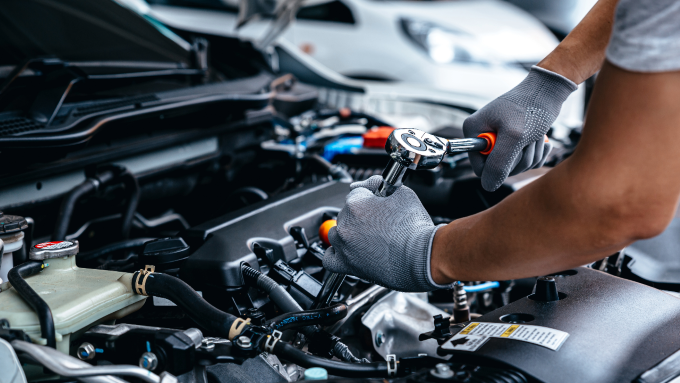
There are several benefits of car servicing which will keep your car safe, reliable and maintain performance at its best. It gives mechanics a chance to spot all small issues on time before they turn into costly repairs.
It also helps in better car mileage because a well-maintained car runs more smoothly and often uses less fuel.
Keeping up with services also protects your warranty and can boost your car’s resale value. Buyers trust vehicles with a full service history and are often willing to pay more for them.
Most importantly, servicing gives you confidence every time you get behind the wheel. You know your brakes, tyres, and engine are in good shape, so you can focus on the road ahead.
Signs Your Car May Need Servicing Sooner
There are several signs to watch for before you miss a car service. Unusual warning lights on the dashboard are an early sign that something isn’t right.
If you hear strange noises like grinding, knocking, or squealing, get it checked quickly. These could mean worn brakes, engine trouble, or suspension issues.
Changes in how the car drives are also important. If it pulls to one side, struggles to start, or feels less responsive, it’s time to visit a garage.
Unusual smells, smoke, or excessive exhaust fumes are other red flags. A burning smell could point to overheating or clutch wear.
Even small leaks under your car shouldn’t be ignored. They can signal problems with oil, coolant, or brake fluid. Acting early can prevent breakdowns, save money, and keep you safe on the road.
How to Track and Manage Your Car’s Service Schedule
The most important thing is keeping your service schedule. It helps in avoiding missed maintenance and costly repairs. Start by checking your car’s handbook for the recommended service intervals. Manufacturers often list both time and mileage limits.
Many newer cars have dashboard reminders or digital service records. These alerts make it easier to know when your next visit is due.
If your car doesn’t have this feature, keep a simple log. Note the date, mileage, and work done after each service.
You can also set calendar reminders on your phone. This way, you’ll get a prompt when your next interim or full service is approaching. Staying organised means your car stays reliable, safe, and in top condition.
How Much Does a Car Service Cost?
Car service prices in the UK vary depending on the type of service, your car’s size, and where you live. As a guide, an interim service usually costs around £110. This is the cheapest option and is typically about a third to half the cost of a full service.
A full service is more thorough and costs more. For small cars, you can expect to pay around £170. Medium-sized cars average about £210, while large vehicles can cost up to £395. Data from FixMyCar shows the UK average full-service price is £194.92. Independent garages often offer lower prices, typically between £133 and £300, compared with dealership rates.
Drivers report a wide range of experiences. Some paid as little as £209 for a full service, while others, especially in London, were quoted between £300 and £400. Dealerships are often the most expensive, while local independent garages can save you a significant amount.
Prices vary for several reasons. The make and model of your car is one of the biggest factors. Luxury and electric vehicles often need specialist parts and labour, which cost more. Your location also matters, as big cities usually have higher rates than rural areas.
Frequently Asked Questions
Does MOT count as a service?
No, an MOT is not the same as a car service. An MOT checks that your vehicle meets legal road safety and environmental standards. A service focuses on maintaining your car’s condition and preventing issues. Even if your car passes its MOT, you should still follow its service schedule to keep it running smoothly.
How often should I service a brand-new car?
Most new cars need their first service at 12 months or after 12,000 miles, whichever comes first. This is often a requirement to keep your warranty valid. After the first year, follow the manufacturer’s service intervals listed in your handbook. Missing these can affect your warranty cover and your car’s resale value.
How often do electric cars need to be serviced?
Electric cars generally need less frequent maintenance because they have fewer moving parts. Many EVs only require a service every two years or around 18,000 miles. However, items like tyres, brakes, cabin filters, and fluid checks still need regular attention. Always follow your EV manufacturer’s recommended schedule.
How long does a service take?
The answer depends on the type of service your car needs. An interim service usually takes 1 to 2 hours. A full service can take 3 to 4 hours. If additional repairs are needed, it may take longer. Some garages offer same-day turnaround, while others might keep your car overnight for larger jobs. However, servicing time also varies by car make, model and condition.
What if I don’t service on time?
Delaying a service can lead to bigger and more expensive problems later. Small issues, like worn brake pads or low oil levels, can quickly develop into serious faults. Skipping services can also reduce your car’s value and may void any existing warranty. Regular servicing helps you avoid breakdowns and keeps your vehicle safe on the road.
Conclusion: How Often Should You Service Your Car?
Regular servicing is about keeping your car safe, reliable, and efficient for years to come. Whether it’s an interim check, a full service, or following your manufacturer’s schedule, each visit helps prevent costly repairs and keeps your vehicle running at its best.
By sticking to your service plan, you protect your investment, maintain its value, and enjoy peace of mind behind the wheel. So don’t wait for a breakdown, book your next service on time and keep your car in top condition.
Fed Up with Endless Trips to the Garage?
If your car needs constant servicing just to run smoothly, it could be more hassle than it’s worth. Compare multiple instant offers from specialist buyers by entering your car’s reg and mileage. Enjoy free collection and fast payment with Exchange My Car.