
Why are SUVs So Popular? Why Do People Prefer SUVs?

- Key Takeaways: Why are SUVs So Popular in the UK?
- Reasons Why SUVs Are So Popular
- 1. Practicality and Space
- 2. Safety and Security
- 3. The Commanding Driving Position
- 4. Ease of Access: The “H-Point” Advantage
- 5. The “Crossover” Evolution
- 6. Coping with the UK Road Conditions
- 7. Status, Style and Lifestyle
- Comparisons: SUVs vs Other Car Types
- Frequently Asked Questions
- Are SUVs more expensive to run than hatchbacks?
- What is the most popular SUV in the UK?
- Is a crossover the same as an SUV?
- Why do families prefer SUVs?
- Are electric SUVs the future of UK car sales?
- Wrapping Up: Why are SUVs So Popular in the UK?
According to SMMT data, SUVs now account for over 30% of all new car registrations in the UK. They have surpassed the supermini family cars like the Ford Fiesta and the Vauxhall Corsa. SUVs are becoming the default choice for families, commuters and fleet drivers. But is this popularity just a fashion trend, or is there a practical reason why are SUVs so popular in the UK?
Key Takeaways: Why are SUVs So Popular in the UK?
- SUVs are now the UK’s favourite cars, making up more than 30% of new registrations, overtaking small family cars like the Ford Fiesta.
- Space and practicality, from weekly shopping to camping gear, SUVs offer roomy boots and flexible seating.
- Modern SUVs come with advanced safety features like emergency braking and lane assist, and many score five stars in crash tests.
- Drivers love sitting higher up because its commanding driving position, which gives better visibility and more confidence on the road.
- Easy to get in and out of with the “H‑point” seating height, SUVs are comfortable for kids, parents, and grandparents alike.
- Crossovers changed the game, with cars like the Nissan Qashqai giving you SUV looks without the high running costs of old‑school 4x4s.
- Perfect for UK roads, which have higher ground clearance and softer suspension, making potholes, speed bumps, and country lanes easier to handle.
- Electric SUVs are on the rise, with the UK moving away from petrol and diesel. EVs like the Tesla Model Y and Kia EV6 are shaping the future.
Reasons Why SUVs Are So Popular
This shift doesn’t happen overnight. The manufacturers introduce top SUVs in the UK car market over the year. Now people have more options with affordable prices, like the Dacia Duster, than before. Besides this, there are more reasons that people are shifting towards SUVs in recent years.
1. Practicality and Space
One of the most compelling reasons is practicality. While a saloon car might have a long boot, the opening is often narrow. But modern SUVs offer generous interior space, flexible seating and large boots.
Boot space is a major selling point. For example, the Land Rover Discovery has a massive 1,231 litres of boot space with the rear seats down. While even more affordable models like the Peugeot 5008 and Tesla Model Y offer over 850 litres.
Whether you are loading a flat-pack wardrobe, a large dog crate, or a week’s worth of camping gear, the shape of an SUV is simply more practical.
2. Safety and Security
Safety is the top priority for UK drivers. It is considered the safest segment for families on the road. Sitting in a larger, heavier vehicle makes drivers feel less vulnerable, especially on motorways.
Modern SUVs are packed with active safety tech like Autonomous Emergency Braking (AEB), Blind Spot Monitoring and Lane Keep Assist. These features are in almost every mainstream SUV.
Many of the UK’s best-selling SUVs, such as the Tesla Model Y, Nissan Qashqai, and Mazda CX-60, have achieved five-star Euro NCAP safety ratings.
3. The Commanding Driving Position
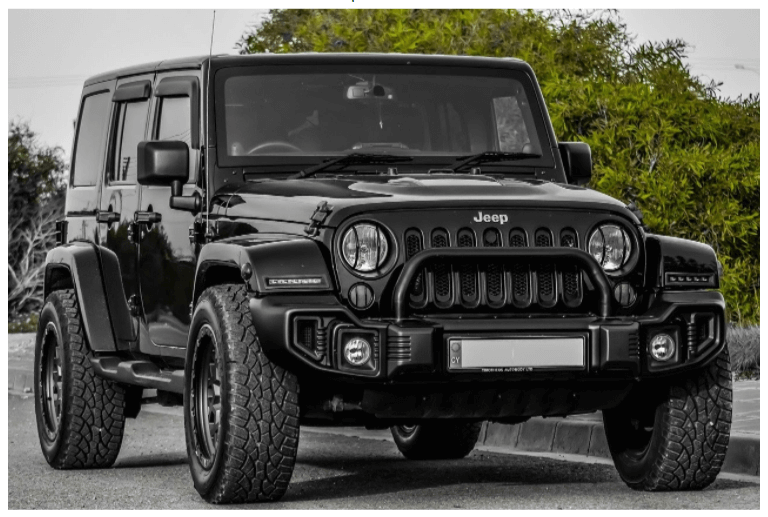
If you ask an SUV owner why they won’t go back to a hatchback, this is usually their answer: “I just like being higher up.” This is often called the “Commanding Driving Position.”
Sitting higher up gives drivers a better view of the road ahead, making it easier to spot hazards, anticipate traffic, and feel more in control.
Psychologically, it gives more confidence, which is like sitting on a horse, allowing you to see over other cars on the road.
4. Ease of Access: The “H-Point” Advantage
This is an engineering term that makes a massive real-world difference. The “H-Point” (Hip Point) is the height of your hips when sitting in the driver’s seat.
Higher H-points mean you don’t have to “drop down” into the seat or “climb up” awkwardly. Though the H-point often offers more legroom for both front and rear seats.
In practical terms, an SUV is more accessible for a wide range of drivers and passengers, from young children to grandparents.
5. The “Crossover” Evolution
Ten years ago, buying an SUV meant buying a thirsty, tractor-like 4×4. That changed with the arrival of the Crossover. Cars like the Nissan Qashqai and Ford Puma revolutionised the market.
They offer the chunky looks and high seating of a 4×4, but underneath, they are built on the same mechanical platforms as a standard hatchback, like a Fiesta or Golf.
This means you get the “SUV look” without the high running costs or difficult parking of a massive off-roader. They are not too big, not too small.
6. Coping with the UK Road Conditions
Let’s be honest, the UK roads are a bit rough. There are potholes, aggressive speed bumps and country lanes prone to. SUVs naturally have higher ground clearance and longer suspension travel.
They soak up bumps that would rattle a hatchback and glide over speed bumps with ease. And softer suspension setups absorb bumps and ruts, providing a smoother ride on poorly maintained roads.
7. Status, Style and Lifestyle
Beyond practicality, SUVs have become a symbol of status, style, and lifestyle aspiration. The SUV managed to rebrand the family car. Manufacturers market these cars with images of surfboards on the roof and muddy boots in the back.
Comparisons: SUVs vs Other Car Types
To understand the SUV’s appeal, it’s helpful to compare it with other popular car types in the UK: hatchbacks, estates, and MPVs.
| Feature | SUV | Hatchback | Estate |
| Boot Space | Large, flexible | Smaller | Large, but lower |
| Driving Position | Higher | Standard | Low |
| Urban Handling | Slightly less agile | More nimble | Standard |
| Off-Road / Rough Roads | Better | Poor | Moderate |
| Perceived Safety | Higher | Standard | Moderate |
| Running Costs | Moderate–High | Lower | Moderate |
| Examples | Nissan Qashqai, Toyota RAV4 | Ford Fiesta, VW Golf | Skoda Octavia Estate, Volvo V60 |
Frequently Asked Questions
Are SUVs more expensive to run than hatchbacks?
Generally, yes, but the gap is closing. Because SUVs are taller and heavier, they are less aerodynamic, which can increase fuel consumption (MPG) by 10-15% compared to a sleek hatchback.
However, modern hybrid SUVs have largely negated this issue, offering excellent fuel economy despite their size.
What is the most popular SUV in the UK?
Historically, the Nissan Qashqai has been the UK’s best-selling SUV, often topping the overall sales charts. Recently, the Ford Puma and the electric Tesla Model Y have also become bestsellers, dominating the registration figures.
Is a crossover the same as an SUV?
Technically, no, but people use the words interchangeably. An SUV (Sports Utility Vehicle) traditionally refers to a rugged vehicle capable of off-roading, like a Land Rover Discovery. A crossover is a car that looks like an SUV but is built on a car chassis (like a Nissan Juke) and is designed strictly for road use.
Why do families prefer SUVs?
Families love SUVs for the space, safety, and flexibility. You can fit child seats, buggies, and shopping and still have room to spare. Plus, the higher ride height makes it easier to get kids in and out without bending over.
Are electric SUVs the future of UK car sales?
Absolutely. With the UK’s 2035 ban on new petrol and diesel cars, electric SUVs are becoming more popular. Models like the Tesla Model Y, Kia EV6, and Hyundai Ioniq 5 offer the space and style of an SUV with zero tailpipe emissions
Wrapping Up: Why are SUVs So Popular in the UK?
SUVs have gone from off-roaders to the UK’s most popular car segment. Because it offers a combined space, safety and versatility with a driving position that makes people feel confident and in control. Currently, electric SUVs are increasingly populating the roads, offering both affordability and value.