
Should I Sell My Petrol Car? 2026 Market & Future Value

- Key Takeaways: Should I Sell My Petrol Car
- Why Many UK Drivers Are Thinking About Selling Petrol Cars
- The 2030 Ban on New Petrol and Diesel Cars
- Rising Fuel Prices
- Expansion of Clean Air Zones and ULEZ
- Growing Popularity of Electric and Hybrid Cars
- Will Petrol Cars Lose Value in the Future?
- Typical Petrol Car Depreciation
- How the 2030 Ban May Affect Used Car Prices
- Demand for Affordable Used Petrol Cars
- When It Might Be a Good Time to Sell Your Petrol Car
- Your Car Doesn’t Meet Emissions Standards
- Fuel Costs Are Rising
- Your Car Is Depreciating Quickly
- Future of Petrol Cars in the UK
- Frequently Asked Questions
- Will petrol cars be around in 20 years?
- What is the average lifespan of a petrol car?
- Can I still drive my petrol car after 2035?
- When is the best time to sell my petrol car?
- Are petrol cars still worth buying in 2026?
- Final Verdict: Should I Sell My Petrol Car
Thinking about whether you should sell your petrol car? With the UK moving towards a ban on new petrol and diesel car sales and more cities introducing Clean Air Zones, many drivers are questioning how these changes could affect their car’s future value.
The reality is that petrol cars aren’t disappearing overnight, but the market is evolving. In this guide, we break down whether selling your petrol car now is the right move.
Key Takeaways: Should I Sell My Petrol Car
-
Petrol cars aren’t banned yet: Only new sales stop from 2030; used cars can still be driven and sold.
-
Depreciation is gradual: Value depends on age, mileage, condition, and emissions standards.
-
ULEZ & Clean Air Zones matter: Older petrol cars may face daily charges in cities like London, Birmingham, and Bristol.
-
Running costs influence decisions: Rising fuel prices and maintenance can make switching to EVs or hybrids attractive.
-
Petrol vs electric costs: EVs cost more upfront, but lower fuel and servicing costs often offset the price after ~4 years.
-
Future outlook: Millions of petrol cars will remain on UK roads for years; many drivers still find them practical.
Sell Your Petrol Car Today
Compare multiple instant offers from UK car buyers and get the best offer for your petrol car quickly and safely.
Why Many UK Drivers Are Thinking About Selling Petrol Cars
Over the last few years, many motorists in the UK have started questioning whether it still makes sense to keep a petrol car. It is not because petrol vehicles suddenly became illegal. Instead, several changes in transport policy, fuel costs, and technology are influencing how people think about their next car.
Below are some of the main reasons why more drivers are considering selling their petrol cars.
The 2030 Ban on New Petrol and Diesel Cars
One of the biggest talking points is the UK government’s plan to ban the sale of new petrol and diesel cars by January 1, 2030. This policy aims for 100% zero-emission cars and encourages switching to cleaner vehicles such as electric and hybrid models.
It is important to understand that this rule only affects new car sales. Existing petrol cars can still be driven, bought, and sold in the used car market after 2030. However, the announcement has made some owners worry about future demand and resale value.
Because of this uncertainty, some drivers are choosing to sell their petrol car earlier while the used market remains strong.
Rising Fuel Prices
Petrol prices have been unpredictable in recent years. When fuel costs increase, running a petrol car becomes more expensive, especially for drivers who cover long distances every week.
Higher fuel bills can make some owners rethink their vehicle choice. For example, drivers who commute daily may start comparing petrol costs with the lower running costs of electric cars.
Although petrol vehicles are still convenient for many people, rising fuel prices have pushed some drivers to consider switching to a more efficient option.
Expansion of Clean Air Zones and ULEZ
Another factor affecting petrol car ownership is the growth of clean air policies across UK cities.
Cities such as London, Birmingham, and Bristol have introduced clean air zones to reduce pollution. In London, the Ultra Low Emission Zone (ULEZ) charges vehicles that do not meet minimum emissions standards.
London (ULEZ) charge £12.50 per day across most of Greater London. Other cities such as Birmingham or Bristol (CAZ) charge around £8-10 per day where private cars are charged.
Most petrol cars registered after 2006 meet the required Euro 4 standard, but older vehicles may face daily charges. For drivers who regularly travel into cities, these extra costs can be frustrating and may influence the decision to sell.
Growing Popularity of Electric and Hybrid Cars
Electric and hybrid cars are becoming much more common on UK roads. Improvements in battery technology, better charging infrastructure, and lower running costs have made these vehicles more attractive than they were a decade ago.
Some drivers are selling their petrol cars simply because they want to switch to an electric vehicle. Others are considering hybrids as a middle ground, offering lower fuel use while still keeping a traditional engine.
As more people explore these alternatives, it is natural for petrol car owners to start asking whether now is the right time to sell.
Will Petrol Cars Lose Value in the Future?
Many drivers worry that petrol cars will suddenly lose value because of the shift towards electric vehicles. In reality, car values rarely change overnight. The UK still has millions of petrol vehicles on the road, and demand for used cars remains strong.
However, factors such as the car’s age, mileage, condition, and emissions standard usually have a bigger impact on resale value than future government policies.
For most owners, the key question is not whether petrol cars will lose value, but how quickly they will depreciate in the coming years.
Typical Petrol Car Depreciation
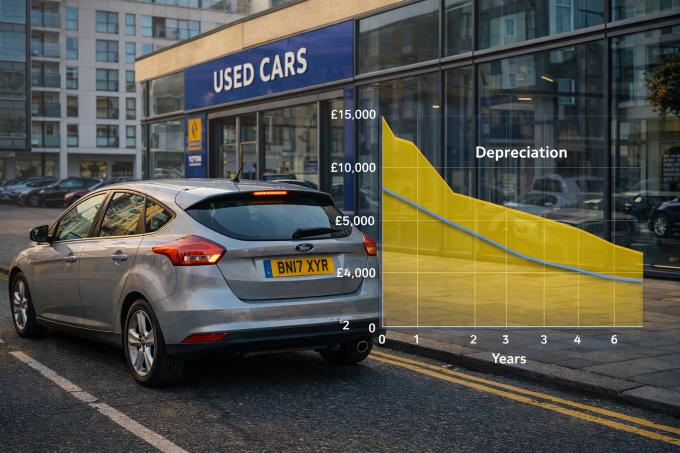
Depreciation is simply the rate at which a car loses value as it gets older. Petrol cars tend to follow a fairly predictable pattern.
Many new vehicles lose around 15 to 35 percent of their value in the first year, and roughly 50 to 60 percent within the first three to four years. After that, depreciation usually slows down.
Well-maintained petrol cars with a full service history and reasonable mileage often hold their value better in the used market. Popular models from reliable brands can also remain in demand for longer
How the 2030 Ban May Affect Used Car Prices
The UK government plans to stop the sale of new petrol and diesel cars by 2030. This policy is designed to encourage the transition to lower-emission vehicles.
However, the rule does not ban existing petrol cars from being driven or sold. Owners will still be able to buy and sell used petrol vehicles after 2030. Though there might be fewer petrol cars on roads.
Because of this, experts generally expect the used petrol car market to continue for many years. Some buyers may move towards electric cars, but others will still prefer petrol vehicles due to lower purchase prices and familiar car technology.
The main impact could be on older or less efficient petrol cars, especially those that do not meet modern emissions standards.
Demand for Affordable Used Petrol Cars
One reason petrol cars may continue to hold value is simple: affordability.
Electric cars are becoming more popular, but they still tend to cost more upfront than many used petrol cars. For example, the higher cost of an electric car compared with a petrol car is usually offset after around four years.
The UK used car market is large, and many buyers still prefer petrol vehicles for everyday driving. They are easy to refuel, widely available, and familiar to most drivers.
As a result, demand for affordable used petrol cars is likely to remain steady for years, even as the number of electric vehicles continues to grow.
Petrol vs Electric Costs in the UK
| Cost Factor | Petrol Car (Example: Ford Fiesta 2022) | Electric Car (Example: Volkswagen ID.3 2022) | Notes |
| Purchase Price | £15,000 | £28,000 | EVs cost more upfront |
| Fuel / Electricity (per year) | £1,500 | £400 | EVs cheaper to “refuel” at home |
| Road Tax (VED) | £155 | £0 | EVs benefit from zero emissions tax |
| Servicing / Maintenance (per year) | £300 | £150 | Fewer moving parts in EVs |
| Depreciation (over 4 years) | £6,500 | £8,000 | EV depreciation slightly higher initially |
| Total 4-Year Cost | £24,620 | £31,600 | EV becomes cheaper to run after ~4 years of lower fuel & servicing costs |
When It Might Be a Good Time to Sell Your Petrol Car
Deciding when to sell your petrol car doesn’t have to be stressful. While there’s no one-size-fits-all answer, several practical factors can help you decide whether now is the right moment.
Your Car Doesn’t Meet Emissions Standards
If your petrol car is older and doesn’t meet Euro 4 or Euro 6 emissions standards, you could face daily ULEZ charges. Sell it before these fees start affecting your car’s value.
Fuel Costs Are Rising
High petrol prices increase running costs, especially for long-distance drivers. Switching to a more efficient car can reduce monthly expenses.
Your Car Is Depreciating Quickly
Cars naturally lose value over time, but certain models depreciate faster due to age, mileage, or declining demand. Selling while your car still retains good value can give you more options when buying your next vehicle.
Future of Petrol Cars in the UK
Petrol cars are not disappearing overnight. Millions of them will stay on UK roads for years, and the used car market will remain active. Many drivers still prefer petrol cars because they are affordable, reliable, and easy to refuel.
The UK plans to ban the sale of new petrol and diesel cars by 2030. This only affects new vehicles. Existing petrol cars can still be driven, bought, and sold after the ban, so owners do not need to rush.
Electric vehicles are growing in popularity, but charging infrastructure is still expanding. Some drivers, especially in rural areas or those who travel long distances, may find petrol cars more practical for the foreseeable future.
Also, Clean Air Zones will affect older vehicles, but many modern petrol cars remain compliant and cost-effective.
Frequently Asked Questions
Will petrol cars be around in 20 years?
Yes, petrol cars will likely still be on UK roads in 20 years. The government plans to stop new petrol and diesel car sales by 2030, but existing vehicles can continue to be driven. Many used petrol cars will remain in circulation for years, especially in the second-hand market.
What is the average lifespan of a petrol car?
Most petrol cars last around 150,000 to 200,000 miles if properly maintained. With regular servicing, some vehicles can run for 15 to 20 years or more. Factors like driving habits, maintenance history, and mileage all affect how long a petrol car lasts.
Can I still drive my petrol car after 2035?
Yes, you can still drive your petrol car after 2035. The regulations only affect new car sales, not vehicles already on the road. However, older cars may face charges in Clean Air Zones depending on emissions standards.
When is the best time to sell my petrol car?
The best time to sell is when your car still holds good market value. This is usually before mileage becomes very high or major repairs are needed. Many owners also sell before their vehicle becomes non-compliant with emissions zones
Are petrol cars still worth buying in 2026?
Yes, petrol cars are still a practical option in 2026. They are widely available, usually cheaper to buy than electric cars, and easy to refuel.
Final Verdict: Should I Sell My Petrol Car
You don’t need to rush to sell your petrol car. Petrol vehicles will remain common on UK roads for many years.
If your car is reliable and meets emissions standards, keeping it may still make sense. However, selling could be a good option if running costs are rising or you plan to switch to a hybrid or electric car.
The best decision depends on your budget, driving habits, and future plans.