

What Is a Cat D Car? 12 Frequently Asked Questions
A Cat D car is an insurance write-off. The insurer chose not to repair it for financial reasons. Repair costs were close to the car’s value. However, the damage is usually non-structural. Many Cat D cars can be repaired and driven again. This guide reflects how Cat D cars are treated under current UK rules.
Key Takeaways:
- A Cat D car is a vehicle written off by an insurer for cost reasons
- The damage is usually non-structural and often cosmetic
- Cat D is an old term and is now known as Cat N in the UK
- Cat D cars can be legal and safe if repaired properly
- Insurance and resale value are usually lower than those of standard cars
- Full history checks are essential before buying or selling
1. What Does Cat D Mean on a Car?
The label “Cat D” stands for Category D. ‘Cat D’ means an insurance company wrote the car off. This was due to repair costs, not severe damage. The car could still be fixed and driven again.
However, most Cat D damage was non-structural. This often included panels, paint, or electrics. Also, Cat D does not automatically mean the car is unsafe.
2. What’s the Difference between Cat D and Cat N?
There is no real difference today. The cat D is the old terminology, and the cat N is the modern equivalent. The rules changed in October 2017. Both categories refer to “non-structural” damage. Cat N stands for “non-structural”. Old Cat D cars still exist on the market, but they are treated the same way.
UK Insurance Write-Off Categories (Comparison table)
| Category | Meaning & Severity | V5C Logbook Status |
| Cat D | Old term for minor, non-structural damage. | Not usually marked on the logbook. |
| Cat N | Current term for Non-structural damage. | Not usually marked on the logbook. |
| Cat S | Current term for Structural damage. | Always marked as “Substantially repaired.” |
| Cat C | Old term for structural damage repairable. | Always marked on the V5C logbook. |
3. Can You Drive a Cat D Car?
Yes, you can legally drive a Cat D car. It must be repaired to a roadworthy standard first. You do not need a special test to drive it. A valid MOT certificate is essential, though. Always inform the DVLA of the car’s status and ensure the car is safe before hitting the road.
4. Is a Cat D Car Safe?
It depends entirely on the quality of repairs. A well-repaired Cat D car is perfectly safe. A poorly fixed one could be unsafe to drive. The chassis should be undamaged, which is good news.
Always get a professional inspection before buying a Cat D car, and never trust the seller’s word alone. Safety is your responsibility as the buyer.
5. Does Cat D Affect Insurance?
Yes, it almost certainly will. Some insurers may refuse to cover you. Others will charge a higher premium. Premiums can sometimes be higher, depending on the insurer. The payout value will also be lower. Insurers view these cars as higher risk. Always shop around for a specialist quote.
6. Are Cat D Electric Cars Different?
Cat D electric cars follow the same rules as petrol or diesel cars. The category still means non-structural damage only. However, electric cars need extra checks.
Damage to batteries or wiring can be costly. Even small electrical issues may affect range or charging. Always confirm that the battery is not damaged.
7. How to Buy a Cat D Car Safely
Buying a Cat D car can be fine with the right checks. The key is knowing exactly what was repaired.
Start with a full vehicle history check. Ask for repair invoices and photos if available. Check the car has a valid MOT status. If unsure, arrange an independent inspection.
Avoid cars with unclear repair history. Good documentation often matters more than price.
8. Can You Sell a Cat D Car?
Yes, you can legally sell a Cat D car. However, you must be honest about its history. Dealers are legally required to disclose the write-off status.
Private buyers may be cautious. This can make private sales slower or harder. Some sellers choose car-buying services that buy any car. Being upfront about the car’s history protects you legally and builds trust with buyers.
9. Is It Worth Buying a Cat D Car?
It depends on your situation. Cat D cars are usually cheaper than standard cars, making them attractive to buyers’ budgets.
The initial savings are often 20% to 30% off. However, resale value will always stay very low, and insurance choices may be limited. A Cat D car suits buyers planning long-term ownership.
If price matters more than resale, it can make sense.
Pros and Cons of Buying a Cat D Car
| Pros | Cons |
| Lower purchase price | Lower resale value |
| Often cosmetic damage only | Fewer insurance options |
| Can offer good value | Harder to sell privately |
10. How to Check if a Car Is Cat D
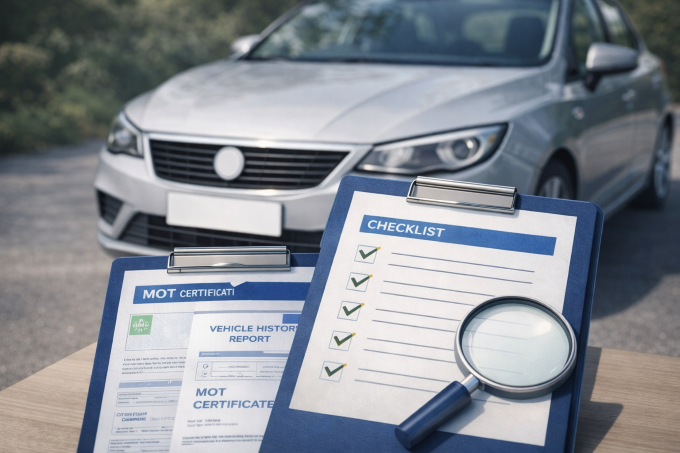
The V5C logbook may not always show Cat D. Only Categories S and C must appear on the logbook. However, a private HPI check is the most reliable method. And you should also check DVLA details.
These checks reveal the car’s full insurance history. They also check for outstanding finance or police markers. Never rely on a seller’s word for vehicle history.
11. Can I remove the Cat D marker from my car?
No, the Cat D marker cannot be removed. Once a car is recorded as Cat D, it stays on its history. This is true even if the car is fully repaired. The marker helps future buyers understand the car’s past.
12. Can a Cat D car be financed?
Yes, it is sometimes possible to finance a Cat D car. Some lenders may refuse due to the write-off history. Others may approve finance with stricter terms.
However, interest rates or deposit requirements can be higher. Approval depends on the lender, the car’s value, and its condition.
Final Verdict
A Cat D car is not automatically a bad car. It simply means the vehicle was written off for cost reasons. Many Cat D cars had minor, non-structural damage. What matters most is the quality of the repairs.
If the history is clear and repairs are done properly, a Cat D car can offer real value. If the damage or paperwork is unclear, it’s best to walk away. Understanding the category puts you in control, not at risk.